Household
Drapes, Comforters, Upholstery and other Household Fabrics: What to Expect with Professional Cleaning
The fabrics in your home — draperies, bedspreads, comforters, and upholstered furniture — play a big role in how your home looks and feels. These items often last for years, but over time they collect dust, moisture, light exposure, and everyday soils that can affect their appearance.
Professional cleaning helps extend their life, but it’s important to understand how household fabrics behave during cleaning.
Draperies
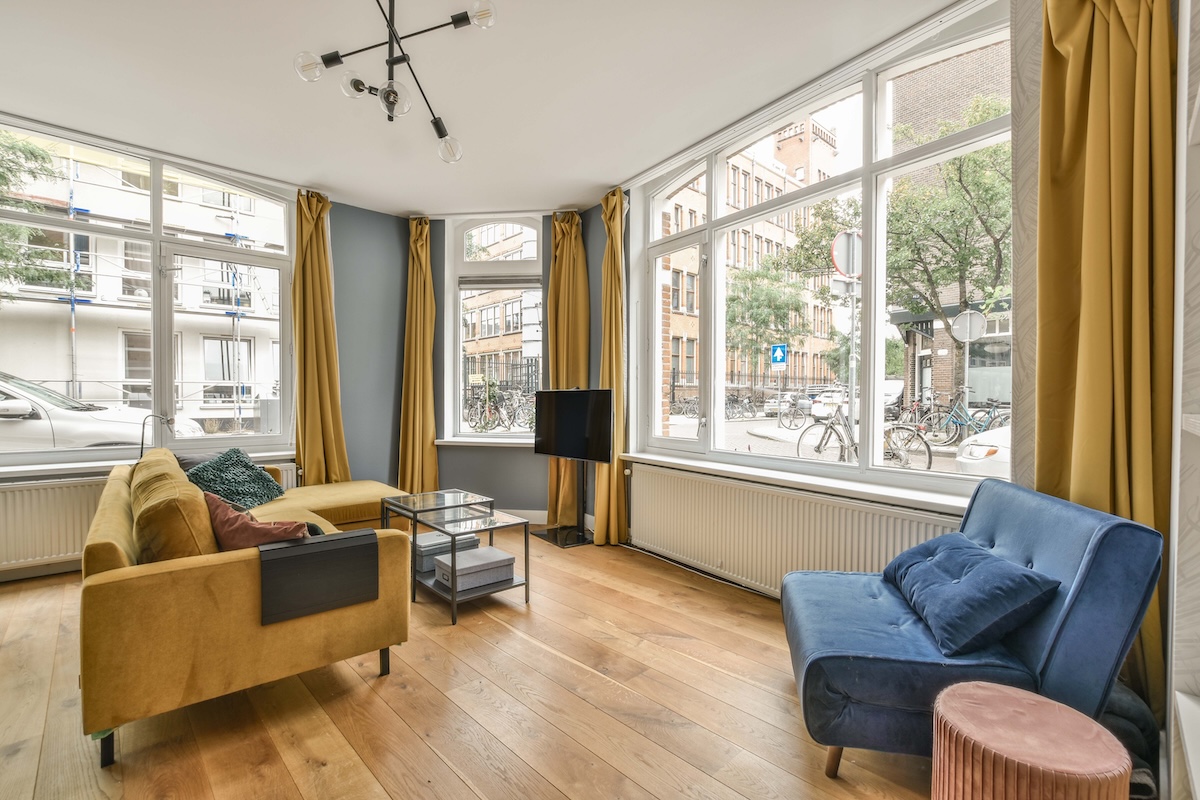
Draperies are exposed to some of the harshest conditions in your home:
- Direct sunlight
- Moisture from rain and condensation
- Humidity
- Smoke and airborne soils
Over time, these conditions can weaken fibers and affect dyes.
After cleaning, you may notice:
- Lightened or faded areas where sunlight has hit
- Weak spots that were not visible before
- Shrinkage if the fabric was not properly preshrunk during manufacturing
- Changes in coated or insulated backings
Industry standards allow for 2–4% shrinkage in household fabrics. On floor-length drapes, this can be noticeable.
Sometimes cleaning reveals damage that was already present due to age, light, or moisture exposure.
Bedspreads and Comforters
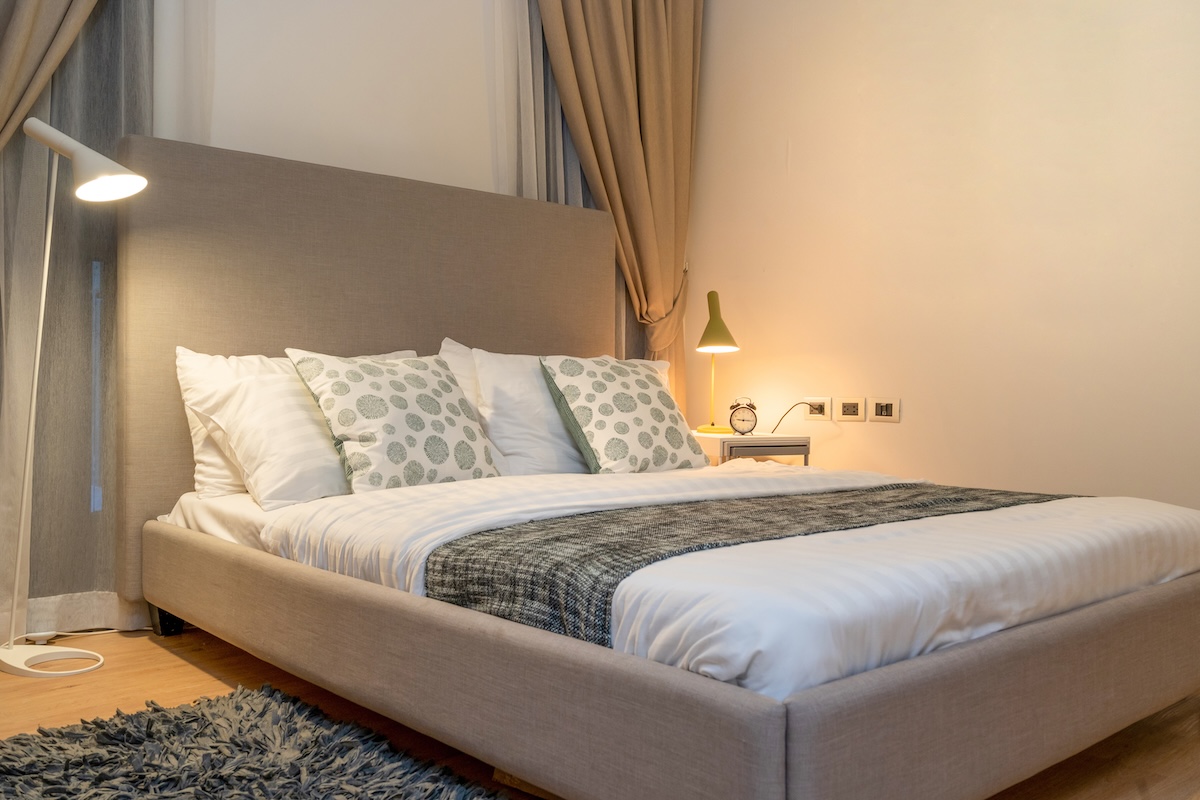
Many people bring these items in simply because of their size. Others notice care instructions that recommend professional cleaning.
A few important things to know:
- Care labels are not always permanently attached to household items
- Matching pieces should be cleaned at the same time to prevent uneven color changes
- Fabric, filling, and construction are always examined before cleaning begins
Professional care is often the safest way to clean these large, complex items.
Upholstery
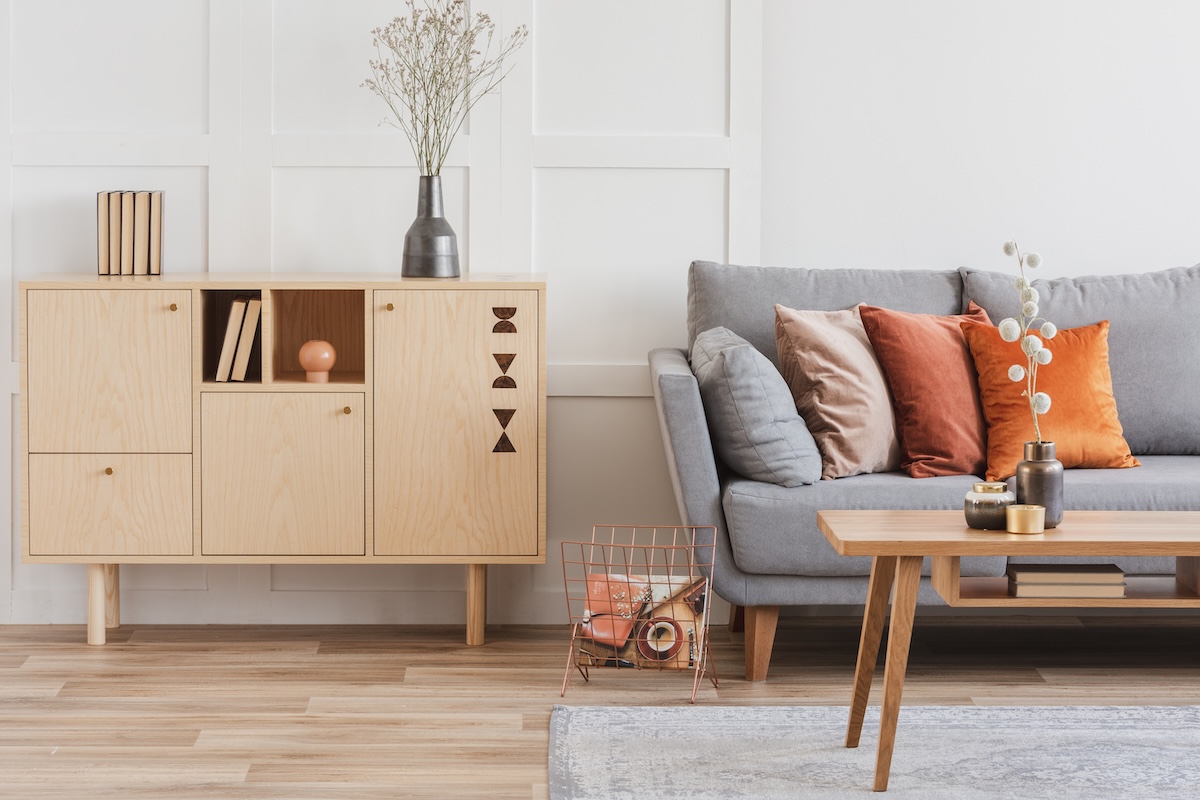
Upholstery is usually cleaned while still on the furniture. Removing cushion covers for separate cleaning can cause:
- Shrinkage
- Mismatched covers
- Damage to the backing
- Fabric distortion
The zippers on cushions are typically used by the manufacturer to insert the cushion — not to remove the cover for cleaning.
Understanding Upholstery Cleanability Codes
Many upholstered items have a cleanability code attached. These codes were developed by furniture manufacturers to guide proper care.
- W – Use water-based cleaning agents
- S – Use solvent-based cleaners only
- W-S – Either water- or solvent-based cleaners may be used
- X – Vacuum or brush only; no liquids
Using the wrong method can cause shrinking, fading, or damage.
Helpful Tips to Make Household Fabrics Last Longer
You can extend the life of your home fabrics with a few simple habits:
- Consider sun exposure when placing furniture and drapes
- Rotate draperies to vary light exposure
- Vacuum upholstery and fabric surfaces regularly
- Save all care instructions and bring them to your cleaner
- Address spills or stains promptly
Silk fabrics are especially vulnerable to light. Acrylic and polyester fibers are more resistant.
Why Professional Cleaning Still Matters
Household fabrics are large, heavy, and often made from complex materials. Professional cleaners:
- Examine construction before cleaning
- Choose the safest method based on fabric type
- Help preserve color, shape, and appearance
- Identify potential issues before they become permanent damage
Sometimes cleaning reveals damage caused by light, moisture, or age that was not visible before.
Questions? Talk With Your Cleaner
Your professional cleaner can explain what to expect and how to best care for drapes, bedding, and upholstery in your home.
About This Information
This information is provided by the Drycleaning & Laundry Institute (DLI) to help consumers understand how to care for household fabrics.