
Color Change
Why Garments Fade or Change Color Over Time
Color changes in clothing can be surprising and frustrating. Many people assume this happens because of cleaning, but in most cases, color loss is related to how the garment was made, how it has been worn, and how it has been exposed to light, moisture, and everyday products.
Understanding why color changes occur can help prevent confusion and protect your garments.
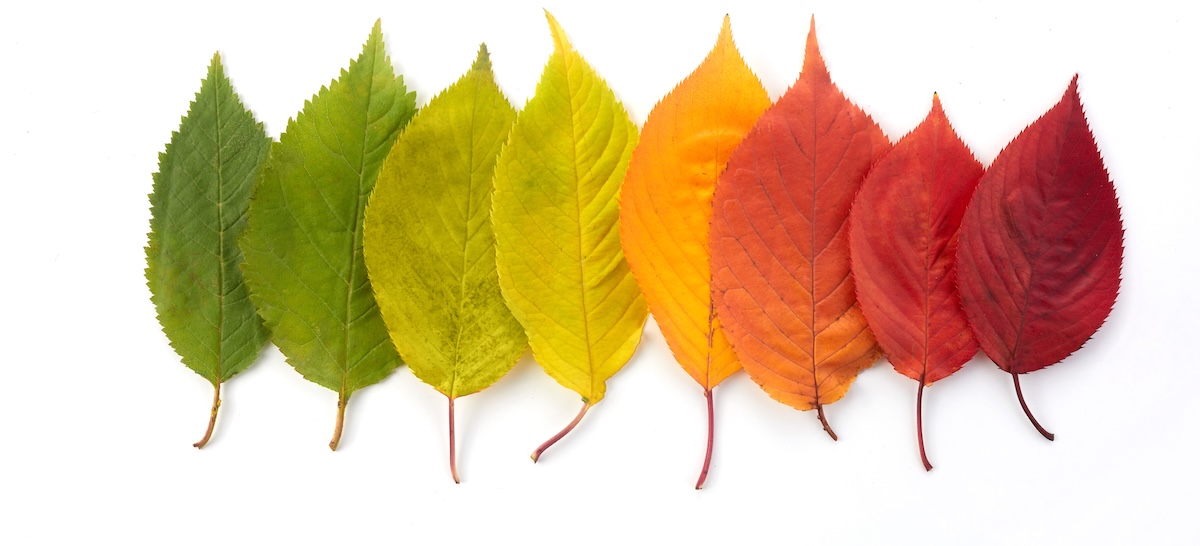
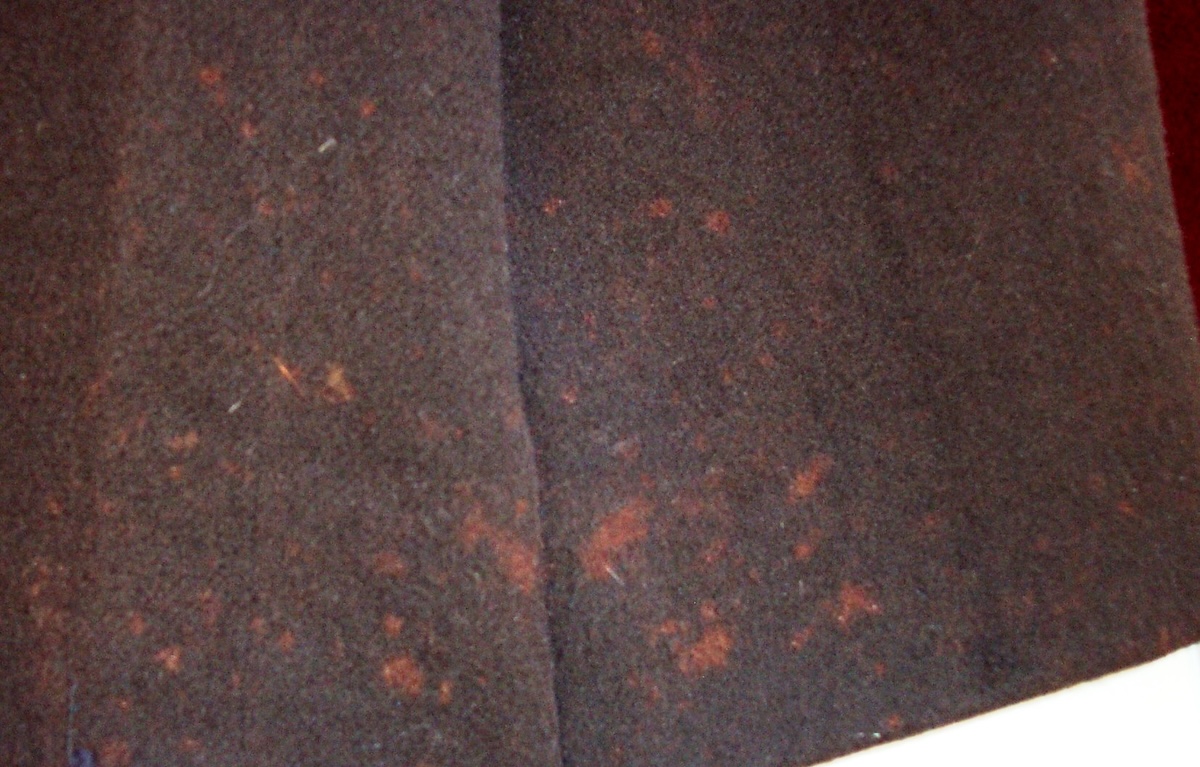
Yes — Even White Is a Color
Many white fabrics are not naturally bright white. During manufacturing, fabrics are often treated with optical brighteners to enhance their appearance.
These brighteners can break down over time when exposed to:
- Sunlight
- Artificial light
- Moisture
- Normal aging
When this happens, white garments may develop a yellow, gray, pink, or greenish cast. This is not caused by cleaning — it is a natural reaction of the brightening agents.
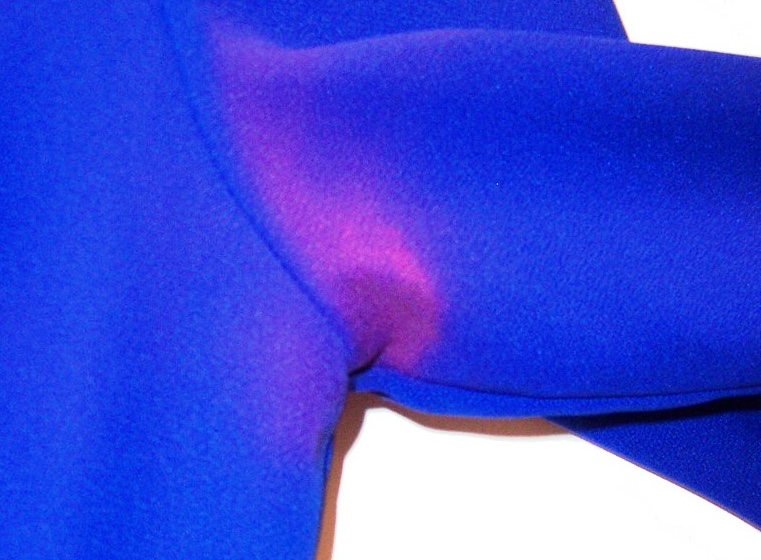
Why Colors Sometimes Fade or Change
Not all dyes perform the same way. Although modern dye technology is much improved, some dyes may still react to:
- Water
- Drycleaning solvents
- Perspiration
- Rain
- Light
- Household chemicals
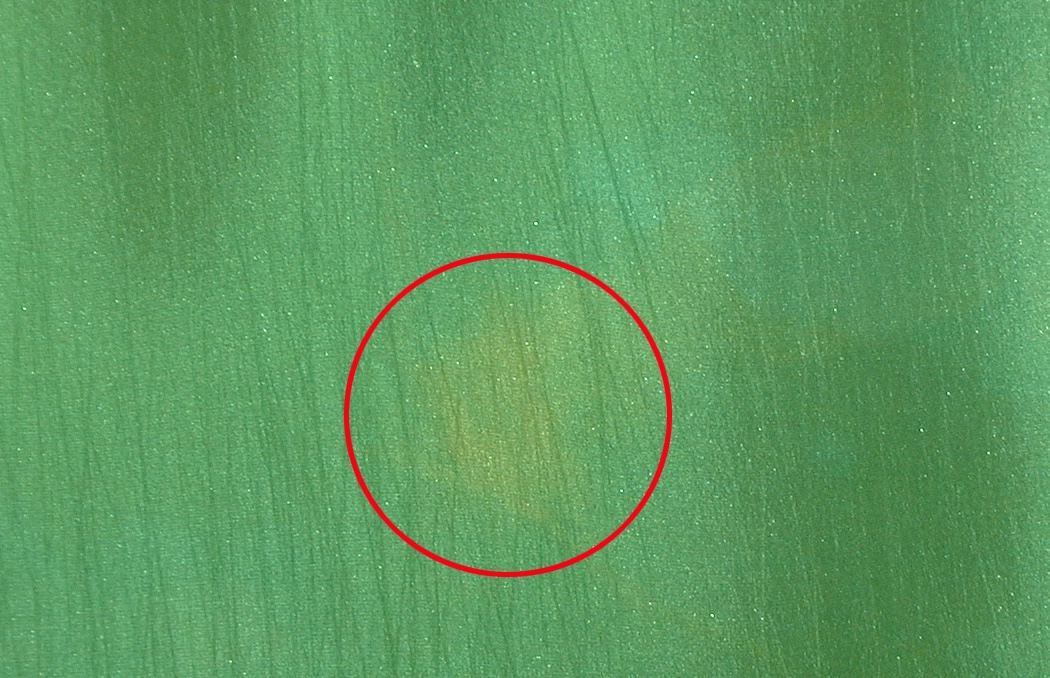
In some cases, a garment may contain multiple dyes. If one dye fades and another remains, the garment can change color dramatically. For example, if a yellow dye fades from a green fabric, the garment may appear blue.
This is rare — but it can happen.
The Role of Care Labels
Garments are required to have care labels that indicate how they should be cleaned. Unfortunately, not all garments are tested thoroughly before being sold.
A garment labeled “Dryclean” should have dyes that can withstand drycleaning. A “Washable” garment should perform well in water. When dyes fail, it is usually due to manufacturing, not cleaning.
Light Is One of the Biggest Causes of Color Loss
Sunlight and strong indoor lighting can cause colors to fade over time, especially in:
- Shoulders
- Collars
- Sleeves
- Draperies
- Bedspreads
You may not notice fading until you compare two matching items side by side.
Common Household Products That Affect Color
Many everyday items can affect garment dyes:
- Toothpaste
- Shampoo
- Perfume
- Hairspray
- Deodorant
- Lemon juice
- Cleaning products
- Chlorine bleach
These can cause color loss that may not be visible until after the garment is cleaned.
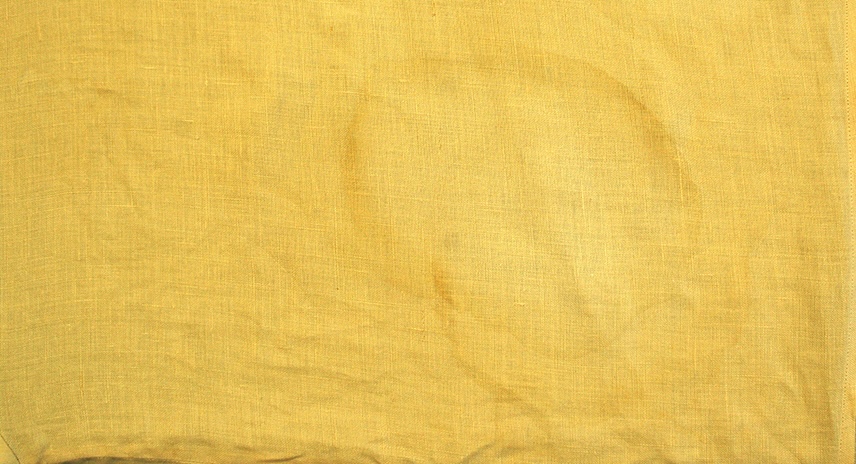
Water and “Dryclean Only” Garments
Even dryclean-only garments may be affected by water. Water can disturb sizing and dyes used during manufacturing, sometimes leaving rings, streaks, or color changes that are very difficult to correct.
What You Can Do to Protect Your Clothes
- Follow care label instructions carefully
- Avoid prolonged exposure to sunlight
- Clean matching items together
- Be cautious with household chemicals and personal care products
- Ask your cleaner before attempting home treatment
Why Professional Cleaning Still Matters
Professional cleaners understand how fabrics and dyes behave and use the safest methods possible to protect color and appearance.
Most color changes are related to how garments were manufactured or exposed to light and chemicals — not the cleaning process itself.
Questions? Talk With Your Cleaner
If you notice color changes in a garment, your professional cleaner can help explain what may have happened and how to best care for the item going forward.
About This Information
This information is provided by the Drycleaning & Laundry Institute (DLI) to help consumers better understand how garments behave during professional care.
Water and “Dryclean Only” Garments
Even dryclean-only garments may be affected by water. Water can disturb sizing and dyes used during manufacturing, sometimes leaving rings, streaks, or color changes that are very difficult to correct.
What You Can Do to Protect Your Clothes
- Follow care label instructions carefully
- Avoid prolonged exposure to sunlight
- Clean matching items together
- Be cautious with household chemicals and personal care products
- Ask your cleaner before attempting home treatment
Why Professional Cleaning Still Matters
Professional cleaners understand how fabrics and dyes behave and use the safest methods possible to protect color and appearance.
Most color changes are related to how garments were manufactured or exposed to light and chemicals — not the cleaning process itself.
Questions? Talk With Your Cleaner
If you notice color changes in a garment, your professional cleaner can help explain what may have happened and how to best care for the item going forward.
About This Information
This information is provided by the Drycleaning & Laundry Institute (DLI) to help consumers better understand how garments behave during professional care.