
Myths
Common Myths About Drycleaning (and the Truth)
There’s a lot of misinformation about drycleaning and garment care. Much of it has been passed around for years and simply isn’t true.
Here are some of the most common myths — and what really happens when you bring your clothes to a professional cleaner.
Myth: “Drycleaning wears out clothes. It’s better to clean them less often.”
Truth: Regular professional cleaning actually helps garments last longer.
Spots and stains left untreated will oxidize, set, and become permanent. Perspiration and body oils weaken fabric and cause odor and discoloration over time.
Professional cleaning removes these damaging elements and keeps garments looking their best.
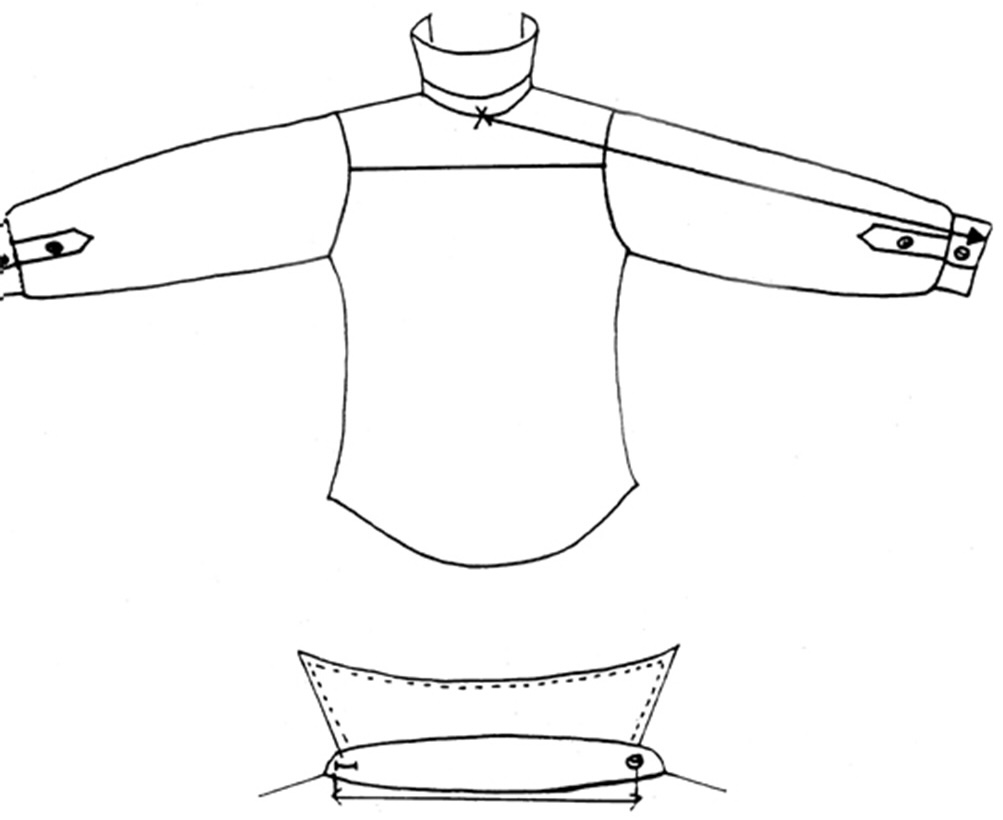
Myth: “Shirts don’t shrink.”
Truth: They can — if the fabric was not properly preshrunk during manufacturing.
Manufacturers typically allow for 2–3% shrinkage. If materials were not properly stabilized, shirts may become tighter in the neck, sleeves, or chest over time. This is a manufacturing issue, not caused by cleaning.
Myth: “All stains can be removed.”
Truth: Unfortunately, no.
Successful stain removal depends on:
- The type of stain
- The type of fabric
- The dyes used in the garment
- How long the stain has been there
Some stains, like ink or dried paint, may be impossible to remove without damaging the fabric.
Myth: “Care labels are always correct.”
Truth: Not always.
Manufacturers are not required to test garments before assigning care labels. They only need a “reasonable basis” for their instructions.
Sometimes the label is right. Sometimes it’s not. Professional cleaners rely on experience and training to choose the safest method.
Myth: “The cleaner must have caused the damage because it was fine when I brought it in.”
Truth: Sometimes damage exists but isn’t visible until the garment is cleaned.
Perspiration, bleach, alcohol, salt, and personal care products can weaken fibers. When the fabric is flexed during cleaning, weakened areas may reveal holes, color loss, or thinning that wasn’t visible before.
Environmental exposure to light, smoke, and dust can also cause hidden damage that only becomes noticeable after cleaning.
Myth: “Drycleaning harms the environment.”
Truth: The drycleaning industry is one of the most heavily regulated small businesses in America.
Air, water, chemical handling, and disposal practices are strictly monitored and regulated to ensure safe operation and environmental protection.
Myth: “Pricing is different for men’s and women’s clothing.”
Truth: Prices are based on the cost of cleaning the garment — not who wears it.
Garments are priced according to:
- Fabric type
- Construction
- Details that require special handling
Not gender.
What This Means for Your Clothes
Professional cleaners are trained to understand how fabrics, dyes, and construction behave during cleaning. Many issues people notice are related to how the garment was made, worn, or exposed to everyday elements — not the cleaning process.
Questions? Talk With Your Cleaner
If you’re unsure about how to care for a garment, your professional cleaner can help you understand what to expect.

About This Information
This information is provided by the Drycleaning & Laundry Institute (DLI) to help consumers better understand professional garment care.