DLI Testifies at New Jersey Senate Committee Hearing
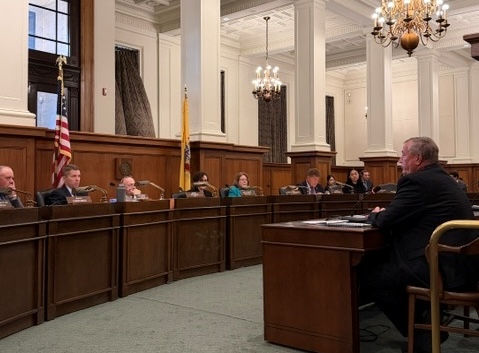
Jon Meijer, DLI's Membership Director, defended professional cleaners' interests by testifying at an October 8, 2026, meeting of the New Jersey Senate and Environmental Committee.
On Thursday, October 8, 2026, DLI testified before the New Jersey Senate Environment and Energy Committee regarding proposed legislation addressing microfiber and microplastic pollution from washing machines.
Senate Bills 676 and 3831 are intended to reduce the discharge of microfibers and microplastics into the environment. The legislation would require certain new residential washing machines sold beginning in 2032 to be equipped with microfiber filtration systems.
Why Does This Matter to Drycleaners?
While the current New Jersey proposals focus primarily on residential washing machines, DLI is concerned about where similar legislation may lead.
New York recently considered a much broader proposal, Senate Bill S10638, the “Washing Our Clothes Without Polluting Our Water Act.” While the bill did not advance during the current legislative session, similar legislation could be introduced in 2027.
Of particular concern to DLI members, the New York proposal specifically included retail drycleaners with laundry operations within its definition of a commercial laundry service. Beginning January 1, 2032, covered businesses would have been prohibited from operating washing machines unless those machines were served by microfiber filtration systems.
As other states begin considering microfiber and microplastic legislation, DLI believes it is important for policymakers to understand the potential impact on small drycleaning and laundry businesses before imposing new requirements.
DLI Identified Several Ongoing Concerns
Significant Costs for Small Businesses
Requiring existing laundries and drycleaners to retrofit multiple washers or install centralized filtration systems could represent a substantial capital expense. Current proposals provide little information about the actual cost of installing these systems or whether filtration technology designed for residential washers will be practical or effective in a professional drycleaning or laundry environment.
Existing Equipment Could Become Economically Obsolete
Many washers currently in service have years of useful life remaining. If filtration systems cannot be economically added to existing machines, businesses could be forced to prematurely replace otherwise functional equipment.
Installation Costs Go Beyond the Filter
Depending on the final technical requirements, filtration systems could require modifications to plumbing, wastewater lines, electrical systems, floor space, or other infrastructure. These additional costs need to be fully understood before mandates are imposed.
Ongoing Maintenance and Operating Costs
Filtration is not simply a one-time purchase. Businesses could face continuing costs associated with filter cleaning or replacement, disposal of captured material, employee labor, service calls, maintenance, and equipment downtime.
Small Businesses Could Be Disproportionately Affected
A neighborhood drycleaner or retail laundry providing wash-dry-fold service does not have the financial resources of a large industrial laundry. A one-size-fits-all mandate could therefore place a disproportionate burden on small, independently owned businesses.
Costs Will Ultimately Affect Consumers
Higher equipment, maintenance, labor, utility, and financing costs eventually have to be absorbed somewhere. For small businesses operating on narrow margins, these expenses could result in higher prices for wash-dry-fold and other laundry services.
Policymakers Should Recognize Previous Environmental Investments
For years, policymakers have encouraged the drycleaning industry to move away from perchloroethylene (perc) and toward alternative cleaning methods, including professional wetcleaning and other water-based processes. Many drycleaners have invested significant amounts of money to make that transition.
Now, as cleaners increase their use of water-based cleaning methods, they could face a new generation of mandates associated with those same processes.
Policymakers should avoid creating a “regrettable substitution” situation in which small businesses comply with one environmental policy only to face new regulatory burdens resulting from the alternative technology they were encouraged to adopt.
The Industry Is Still Recovering
The drycleaning industry continues to deal with the lasting effects of the COVID-19 pandemic, work-from-home trends, changing consumer habits, rising labor costs, and the loss of a significant number of businesses.
Any new environmental mandate should take into consideration the economic condition of the industry and, particularly, the ability of small operators to absorb additional costs.
DLI’s Message to Policymakers
DLI supports reasonable efforts to protect the environment and reduce microfiber and microplastic pollution. However, environmental goals must be pursued in a manner that is technologically achievable, economically reasonable, and fair to small businesses.
Our industry wants to be part of the environmental solution. At the same time, small businesses need regulations that are practical, affordable, and achievable.
DLI will continue to monitor microfiber and microplastic legislation across the country and advocate for policies that protect the environment without placing unreasonable financial and operational burdens on professional drycleaners and laundries.
- 30 -
Comments
No Comments Yet